Around two-thirds of Moldovans believe it is risky to criticise the government or to speak out about corruption, according to a study by the Ombudsman
Adriana Bzovîi
Nearly two-thirds of Moldovans believe there is some degree of risk involved in expressing opinions about the country’s leadership or cases of corruption, although most people consider freedom of expression to be generally respected in the Republic of Moldova. These findings are presented in the study “Perceptions of Human Rights in the Republic of Moldova. Public Opinion Survey 2025,” conducted by the CIVIS Center at the request of the Office of the People’s Advocate (Ombudsman) and launched on Tuesday, October 6.
According to the study, 68% of respondents believe that freedom of expression is respected. However, when asked about the specific risks associated with expressing their opinions, respondents gave more cautious answers. On average, only one-third believe that expressing views about the country’s leadership, politicians, local authorities, corruption, religion, environmental violations or human rights violations involves no risk at all. Meanwhile, 42% believe there is some degree of risk, while 19% consider the risk to be high. The most sensitive topic is the country’s leadership, with 23% of respondents believing it is very risky to express opinions about it. For politicians and corruption, the figure stands at 21%.
Nevertheless, compared with the 2023 study, the perceived level of risk has declined. The proportion of respondents who consider expressing their opinions very risky has decreased by an average of six percentage points. The largest change was recorded in discussions about corruption, where the figure fell by nine percentage points, followed by human rights violations, with a seven-percentage-point decrease. At the same time, the proportion of respondents who believe that expressing their opinions involves no risk at all increased by six percentage points.
On the other hand, the study’s authors note that perceptions of the freedom to participate in protests have deteriorated compared with the previous survey. The proportion of people who say they do not feel free at all to take part in such actions has increased by approximately ten percentage points. Currently, one in two respondents says they do not feel free at all to participate in protests, which may indicate a declining sense of safety and freedom in exercising this right.
Regarding journalists’ freedom of expression, the study reveals a positive trend. Some 59% of respondents believe that this right is respected to a large extent, an increase of ten percentage points compared with the previous study. The researchers note that this improvement continues the upward trend observed in recent years.
The situation is different when it comes to access to information of public interest. While 60% of respondents believe that the right to obtain such information from public authorities is respected to a large extent, this figure is six percentage points lower than in the previous survey. Critical perceptions are more common in Chișinău Municipality and the south of the country, in urban areas, among older people and members of ethnic minorities.
Data on citizens’ interactions with local public administration also indicate a low level of direct information requests. Only 18% of respondents had requested information from their local mayor’s office in the 12 months preceding the survey. Of these, 85% visited the mayor’s office in person, while only 11% used an online channel. At the same time, 53% of respondents said they had noticed at least one transparency practice implemented by local authorities. The most common practices include publishing information of public interest on websites or social media, mentioned by 25% of respondents, and publishing budgets, procurement information, decisions and meeting minutes, mentioned by approximately one in five respondents.
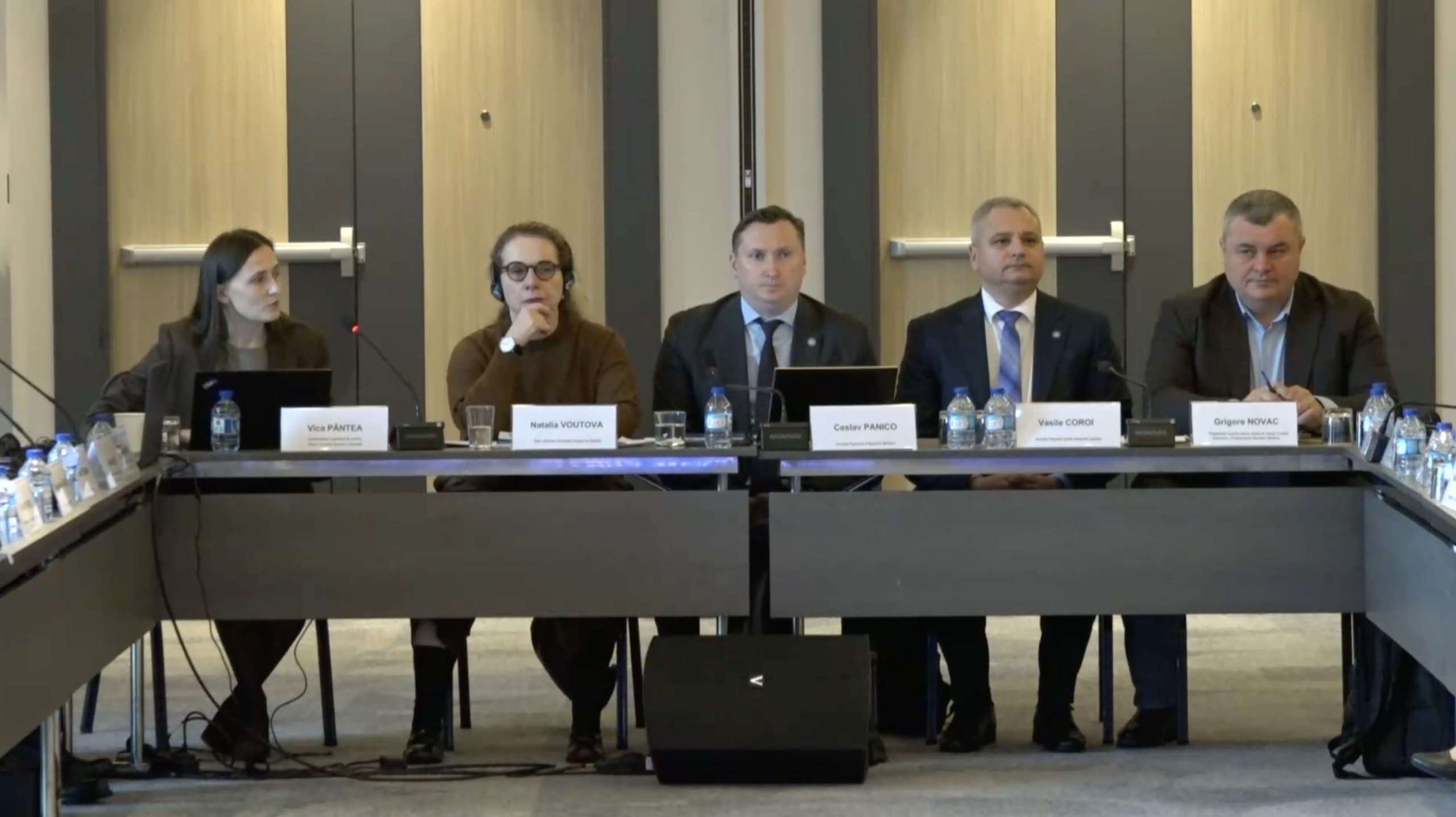
“I am pleased to see how public perceptions of different rights have changed over time. We have various tools for monitoring respect for human rights, including complaints submitted to the Office of the People’s Advocate, reports by international institutions, civil society reports and monitoring conducted by the parliamentary Committee [on Human Rights and Interethnic Relations — editor’s note]. But the most important thing, of course, is the perception of the people whose rights are either violated or better respected from one year to the next,” said People’s Advocate Ceslav Panico during the study’s launch event.
The study was conducted nationwide, excluding the Transnistrian region. A total of 1,610 people were interviewed, with a margin of error of ±3.1%. Data were collected between December 17, 2025, and February 13, 2026. Similar surveys were conducted in 2016, 2018, 2020 and 2023.