#EUexplained. Anti-SLAPP mechanisms: what we have, what needs to be changed, what’s next
Mihaela Ciobanu
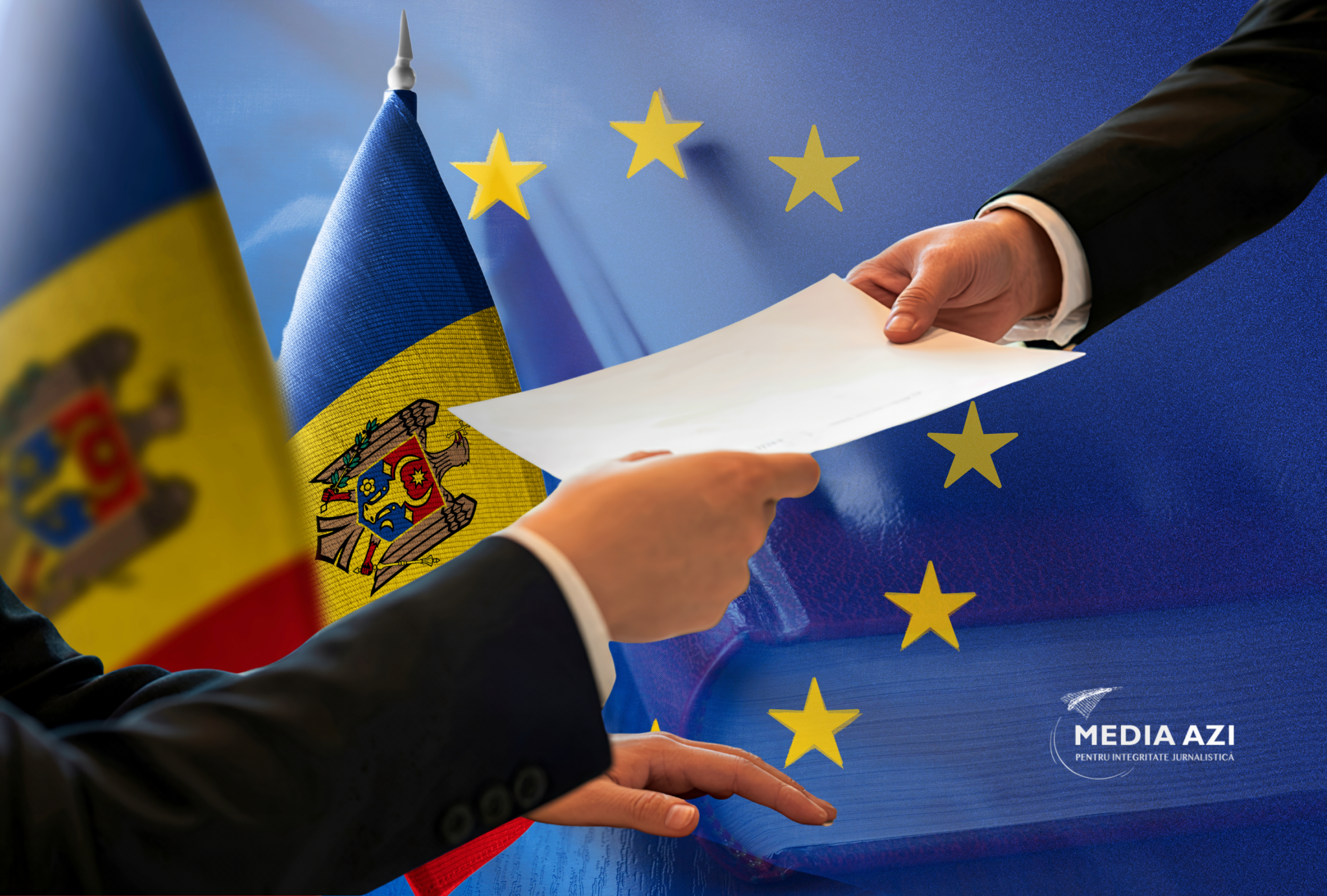
As a candidate country for accession to the European Union, the Republic of Moldova is required to gradually align its legislation with EU standards, including with regard to the protection of freedom of expression and those who raise issues of public interest. In recent years, concern has grown in Europe about lawsuits filed for the purpose of intimidation – so-called SLAPP (Strategic Lawsuit Against Public Participation) lawsuits. In response, in 2024 the EU adopted a directive requiring member states to introduce mechanisms in their national legislation to regulate and punish such abuses. For Chisinau, these rules are a benchmark for alignment with European standards on the protection of public debate.
WHAT DO WE HAVE?
Currently, there are no specific anti-SLAPP mechanisms regulated in the Republic of Moldova. The national regulatory framework contains general guarantees regarding freedom of expression and the right to a fair trial, but does not establish special procedures for identifying and rejecting strategic lawsuits against public participation (SLAPP).
WHAT IS THE EU ASKING FOR?
The European Union’s acquis in this area is very recent. Directive (EU) 2024/1069 of the European Parliament and of the Council, entitled “on protection against clearly unfounded claims or abusive legal proceedings against persons involved in public action,” was adopted in April 2024, and Member States have until May 7, 2026, to transpose it into national law.
The purpose of the Directive is “to remove obstacles to the smooth functioning of civil proceedings, while providing protection to natural and legal persons involved in public interest activities, including journalists, publishers, media organizations, whistleblowers, and human rights defenders, as well as civil society organizations, NGOs, trade unions, artists, researchers, and academics, against legal proceedings brought against them to discourage them from participating in public interest actions.”
In short, the EU requires Member States to introduce strict rules to protect data subjects from abusive lawsuits, so that courts can dismiss manifestly unfounded claims at the earliest opportunity. In addition, those who initiate such actions may be required to pay the defendant’s legal costs (including, as a rule, lawyers’ fees) and, where appropriate, to pay penalties or compensation for damages caused.
To date, only two EU countries have transposed the Directive: Malta and Lithuania.
WHAT IS MOLDOVA DOING NOW?
According to the authorities, the process of drafting the law on transposing the Directive has recently been initiated. The initial version is currently undergoing analysis and technical work. Once this version has been finalized and institutionally approved, the draft will be published together with an explanatory memorandum detailing the proposed solutions. The document will then be subject to public consultation, in accordance with the legislation on transparency in decision-making.
WHAT WILL CHANGE IN PRACTICE?
In practical terms, adjusting the legislation would involve introducing procedural mechanisms that would allow courts to identify and dismiss, at an early stage, clearly unfounded or abusive actions brought against persons involved in matters of public interest.
The adjustment would also involve instruments to discourage the abusive use of legal proceedings, including by expressly regulating the consequences for the claimant if the action is found to be abusive (such as fines, payment of court costs, payment of damages for the harm suffered, etc.).
Essentially, the adjustment would aim to strengthen the protection of freedom of expression and prevent the use of legal proceedings as a tool for intimidation.
WHEN WILL IT COME INTO FORCE?
In the context of Moldova’s status as a candidate country for EU membership, this directive must be transposed by December 2027.
***
The Republic of Moldova in March 2022, obtained candidate country status in June of the same year, and accession negotiations were officially opened in June 2024. The accession process mainly consists of proving that our country can adopt and implement EU legislation (the EU acquis), a process structured around 33 thematic chapters in six areas such as justice, the internal market, the environment, and economic policies. For each chapter of negotiations, there are clear stages, recommendations, and indicative deadlines, and Moldova’s progress is constantly monitored by European institutions.
READ ALSO:
Numărul proceselor de tip SLAPP continuă să crească în Europa, potrivit unui raport CASE pentru 2025