CPJ warns of serious violations of press freedom in the context of the war in Iran. Documented cases
Mihaela Ciobanu
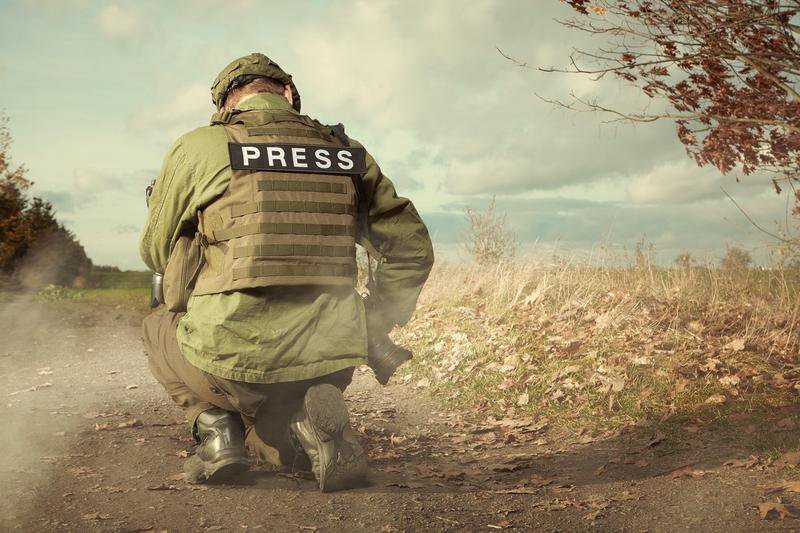
The military escalation between Israel, the U.S., and Iran has led to a rapid deterioration of press freedom in the Middle East, where journalists face killings, detentions, restrictions on their work, and attacks on media infrastructure, warns the Committee to Protect Journalists (CPJ). The data was published on Tuesday, March 10, and is updated periodically.
The organization says it has so far documented two journalists killed since the start of the conflict, six journalists assaulted, threatened, or harassed, eight media outlets hit by airstrikes, four journalists detained or interrogated, and several instances of censorship in countries across the region. CPJ also notes that six other journalists have been prevented from reporting from the field.
The Committee reports that, from the very first day, Iranian authorities imposed a near-total Internet blackout, reducing online connectivity to about 4%, and then to approximately 1% of normal levels, which severely hampered journalists’ ability to report the news. In the days that followed, the conflict was accompanied by attacks on media infrastructure, including strikes on a local radio station in Iran, the headquarters of Iranian public television, and three media outlets in Lebanon.
At the same time, censorship and control measures were introduced: in Israel, the foreign press received directives limiting live broadcasts during alerts and the publication of images of attacked locations, while in other countries in the region, bans were imposed on filming incidents or distributing images from the field. CPJ also notes that journalists were detained during broadcasts, stopped by police from filming, assaulted, or threatened, and on March 10, the Iranian judiciary criminalized “any filming or reporting” of U.S. or Israeli attacks on Iranian positions as evidence of “cooperation with a hostile enemy.”
The latest incident, reported on Thursday, March 12, took place in Iraq, where a television crew was attacked while reporting from outside a hospital in Kirkuk on people injured in a U.S. airstrike. According to the report, fighters affiliated with an Iraqi armed group blocked the journalists’ work, assaulted the reporter—who said he was struck with the butt of a gun—and confiscated the crew’s camera, which was later returned.
“Freedom of the press is a fundamental human right, and attacks, detentions, or restrictions targeting journalists must cease immediately,” said Sara Qudah, CPJ’s regional director.
The war in Iran broke out on February 28, when the U.S. and Israel launched attacks on Iran, and Tehran retaliated with attacks in the region. According to Reuters, the conflict has affected not only the military front but also air transport, the energy market, and regional security.