Female journalists are frequent targets of online violence and sexist threats, according to a Council of Europe report
Mihaela Ciobanu
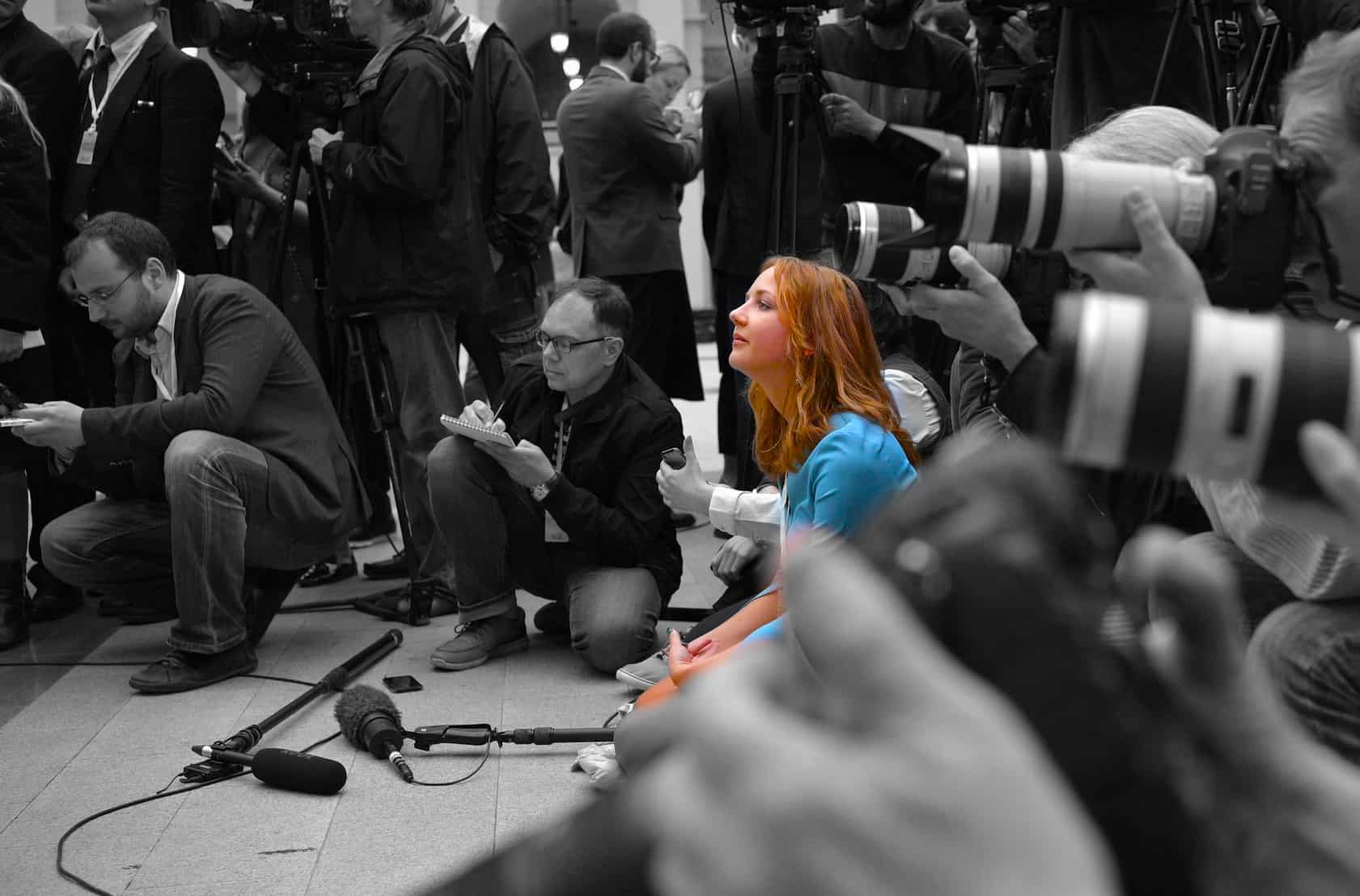
Online violence and gender-based threats pose a risk to women journalists in Europe, according to a Council of Europe report on freedom of expression on the European continent. Data from the document released on March 3 indicates that up to 87% of women journalists said they had experienced online violence related to their professional activity.
The document notes that female journalists face a “double risk” – they are attacked both for their work and for their gender — and the level of harassment can push some of them into less exposed “areas” or even to leave the profession.
The research indicates that the most common forms of gender-based violence against female journalists are threats of rape, misogynistic abuse, stigmatization, harassment, and death threats.
“Such attacks can lead to self-censorship and withdrawal from the public sphere, reducing the presence of women’s voices in an already male-dominated media landscape. Although this dimension has been recognized in several Council of Europe instruments, it has only been partially addressed in the recent work of the Committee of Ministers,” the report states.
Although the authors emphasize that data is limited, including due to the underrepresentation of women in the media and reporting obstacles, alerts from 2025 suggest that female journalists were significantly more targeted by forms of verbal abuse. Analysis of the alerts also shows that women journalists faced distinct patterns of targeting, obstruction, and attacks by private individuals and security forces in the context of covering public events.
The report cites several cases that illustrate patterns of aggression. In Turkey, for example, two female journalists were assaulted by police during protests in Istanbul, being beaten, sprayed with tear gas, and even targeted with rubber bullets, despite repeatedly stating that they were journalists. In Georgia, female reporters have increasingly reported gender-based physical and psychological violence by police while reporting on protests. In Serbia, a journalist was the target of sexualized insults and threats online (including rape threats), and the prosecutor’s office indicated that proceedings had been initiated to identify the perpetrators. In France, a freelance journalist received an anonymous letter at her home containing racist and misogynistic remarks.
The document notes that in 2025, compared to previous years, female journalists appear to be considerably more exposed to serious forms of pressure and violence, including physical attacks, threats to life and safety, and verbal harassment. To address these risks, the authors recommend that national action plans include gender-sensitive measures: clear protocols for evidence collection, the use of restraining orders, support for filing complaints with digital platforms, and the systematic collection and publication of gender-disaggregated data, so that patterns of gender-based harm can be monitored over time.